The Social Media Anxiety Paradox
Despite being constantly connected on social media with hundreds of 'friends', teens today report higher levels of anxiety and isolation than any previous generation.This isn't just 'regular' anxiety happening online: it's a new type of anxiety that didn't exist 15 years ago.It is fueled by the pressures of constant comparison, performing for algorithms, the permanence of online content, and the relentless, 24/7 nature of social media where worth is measured in likes and followers.

The Always-On Burnout Phenomenon
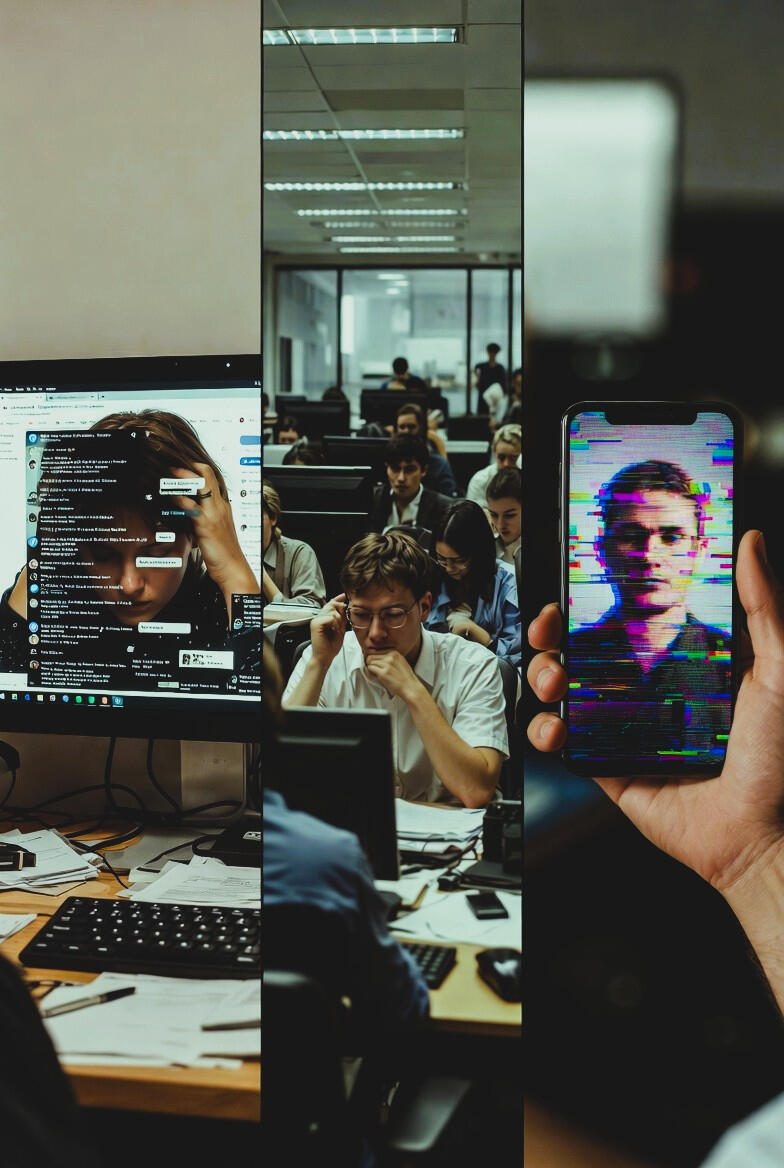
The conversation around work has shifted. It's no longer just about being 'burnt out from work', but 'burnt out from being always-on'.
This new form of burnout isn't caused by overwork in the traditional sense.Instead, it stems from the blurring of boundaries between work and home, the lack of mental transition time, constant availability expectations, and the amplified perfectionism of a digitally documented work life.As a result, people are experiencing a unique kind of exhaustion that traditional solutions like vacations or setting boundaries can't fix, because the 'always-on' culture persists. It's a new type of burnout for a new way of working.
The Digital Identity Crisis
Previous generations had a single, consistent identity across different areas of their lives.Today, we manage multiple digital personas across platforms like Instagram, TikTok, LinkedIn, Twitter/X, and Discord, each a slightly different version of ourselves.This fragmentation raises the question: which one is the 'real' you? This creates a unique form of identity confusion for digital natives, who are not just 'finding themselves' but managing multiple selves at once.This constant performance is exhausting, fueled by the pressure of a permanent digital footprint, algorithmic feedback, and peer comparison, contributing to mental health challenges we are only beginning to understand.
The Parent's Dilemma
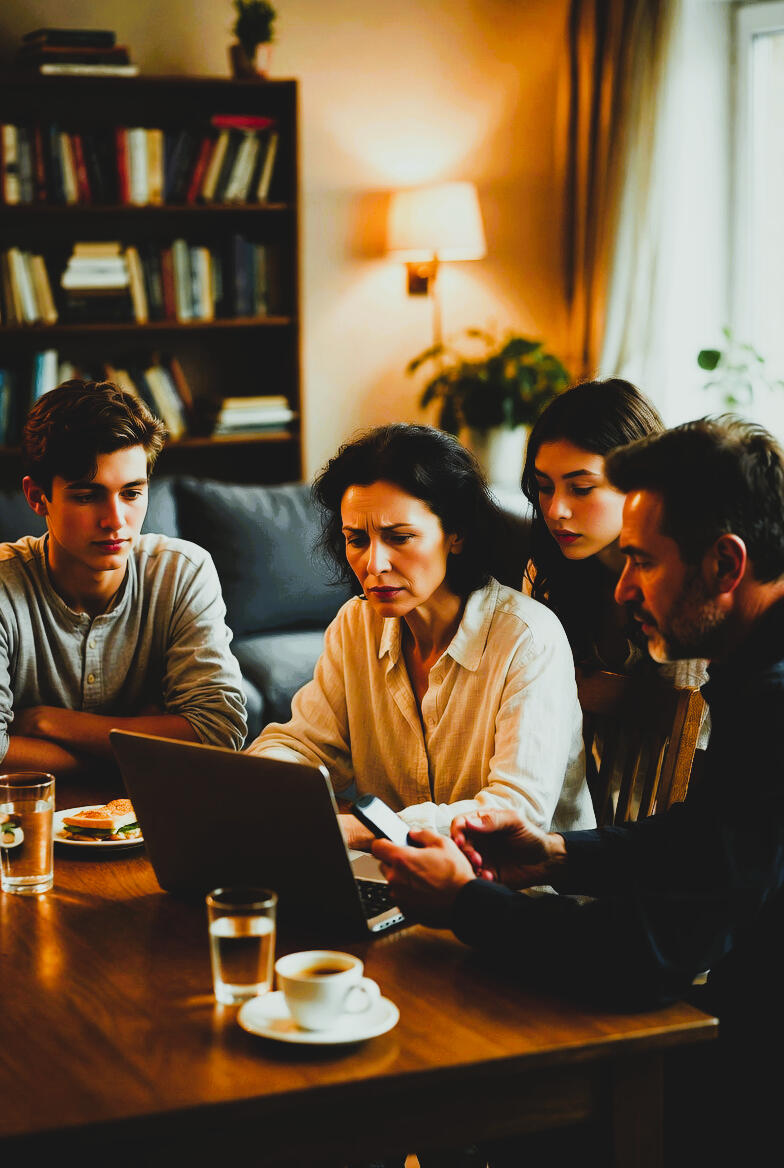
If you're a parent concerned about your teen's digital wellbeing, you know the frustration. You see them spending hours on social media, struggling with online anxiety and harassment, and you've tried everything - talking, setting limits, suggesting they 'just log off' - but nothing works.The problem is that most general coaches aren't equipped to handle these digital-specific issues, offering the same advice you've already tried. Your teen doesn't need a generalist: they need a specialist in digital mental health.That's what we provide at Psyberanima.Our Cyberpsychology Coaches specialise in teen digital habits. They understand how social media impacts self-esteem, why algorithmic anxiety is different, and how to navigate the digital world safely. We offer help for your teen and practical, actionable strategies for you, ensuring peace of mind with safe, confidential, and expert guidance.If you need expert support for your teen's digital wellbeing, we're here to help.
Check our "The Always-On Generation" informative video
